
A short history of Impruneta terracotta
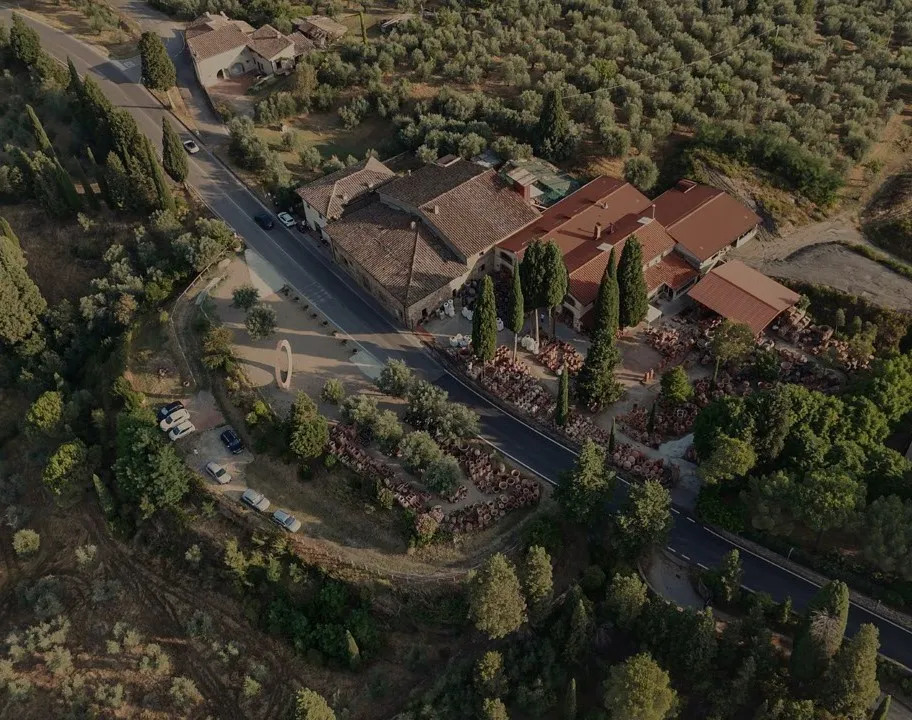
Impruneta is the home of terracotta
The availability of clay, the surrounding woodland that provided fuel for the kilns (incidentally, the place name Impruneta is thought to mean “in the pine forest”) and the town’s proximity to Florence all contributed to the development of local terracotta manufacturing during the Middle Ages. However, the use of clay in the area dates back much further: the Etruscans and later the Romans both made extensive use of it to produce earthenware items such as household vessels, cups, plates and other terracotta objects.
Terracotta in the Middle Ages: the founding of the Guild of Jar and Jug Makers
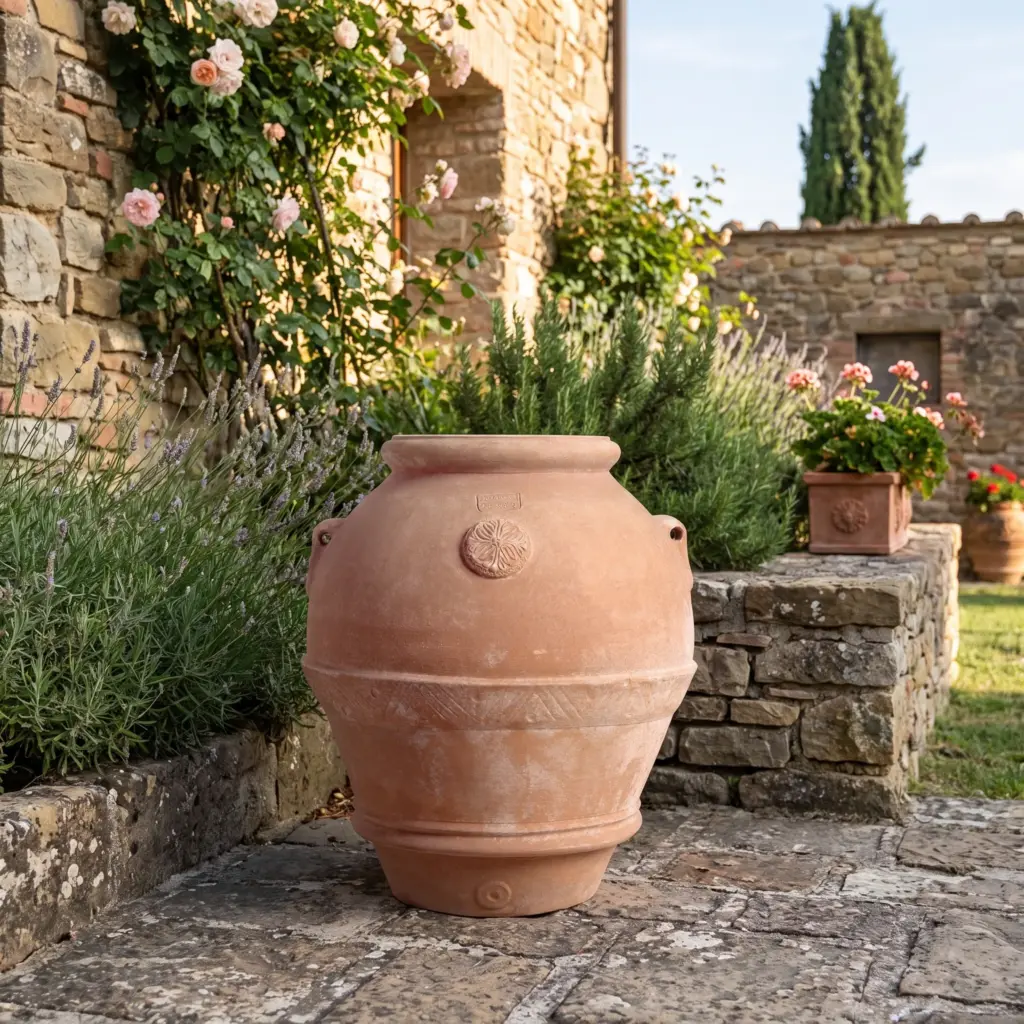
The founding of the Guild of Jar and Jug Makers in March 1309 attests to the flourishing craft trade, whose artisans supplied the local market with building bricks and tiles, as well as pots, jugs, basins and food-storage containers. Among these, storage jars (known by various regional names, including orcio, ziro, otre, coppo, giara, olla and anfora) were particularly important for storing and transporting the olive oil and wine produced in the Chianti hills.
Impruneta has long been synonymous with terracotta craftsmanship thanks to the outstanding quality of its clay, rich in minerals that make the finished product exceptionally resistant to frost. Over time, Impruneta terracotta spread from the nearby Florentine market across Italy and eventually to many countries abroad.
The great terracotta masters of the 15th century
It was precisely the quality of the local terracotta and the skills of the Impruneta artisans that appealed to the great masters of the 15th century. The most prominent among them was Filippo Brunelleschi, who insisted on using only terracotta from Impruneta for his dome of Santa Maria del Fiore (Florence Cathedral). He visited the kilns to personally oversee the shaping and firing of the clay into finished pieces specially designed to meet the dome’s innovative structural requirements.
However, it was in the 15th century that this material regained its value and status, thanks to a group of intellectually vibrant artists who were curious and eager to experiment with it. Terracotta was no longer used solely for basic household items but became a medium for the highest forms of artistic expression.
Brunelleschi was not the only artist to establish terracotta as a respected artistic medium: In Florence, Donatello created works such as the Madonna and Child now at the Stefano Bardini Museum, the Joshua in the Cathedral of Santa Maria del Fiore, and the Cavalcanti Annunciation in the Basilica of Santa Croce.
Also worthy of mention are Luca, Andrea and Giovanni della Robbia, renowned for their mastery of glazed terracotta. Their exceptional work can be admired in major collections around the world, including the Louvre in Paris, the National Gallery in London and the Metropolitan Museum of Art in New York, while their legacy lives on in the term robbiane, derived from the della Robbia family name itself and used to describe glazed ceramic reliefs in their style.
Terracotta: everyday objects as works of art
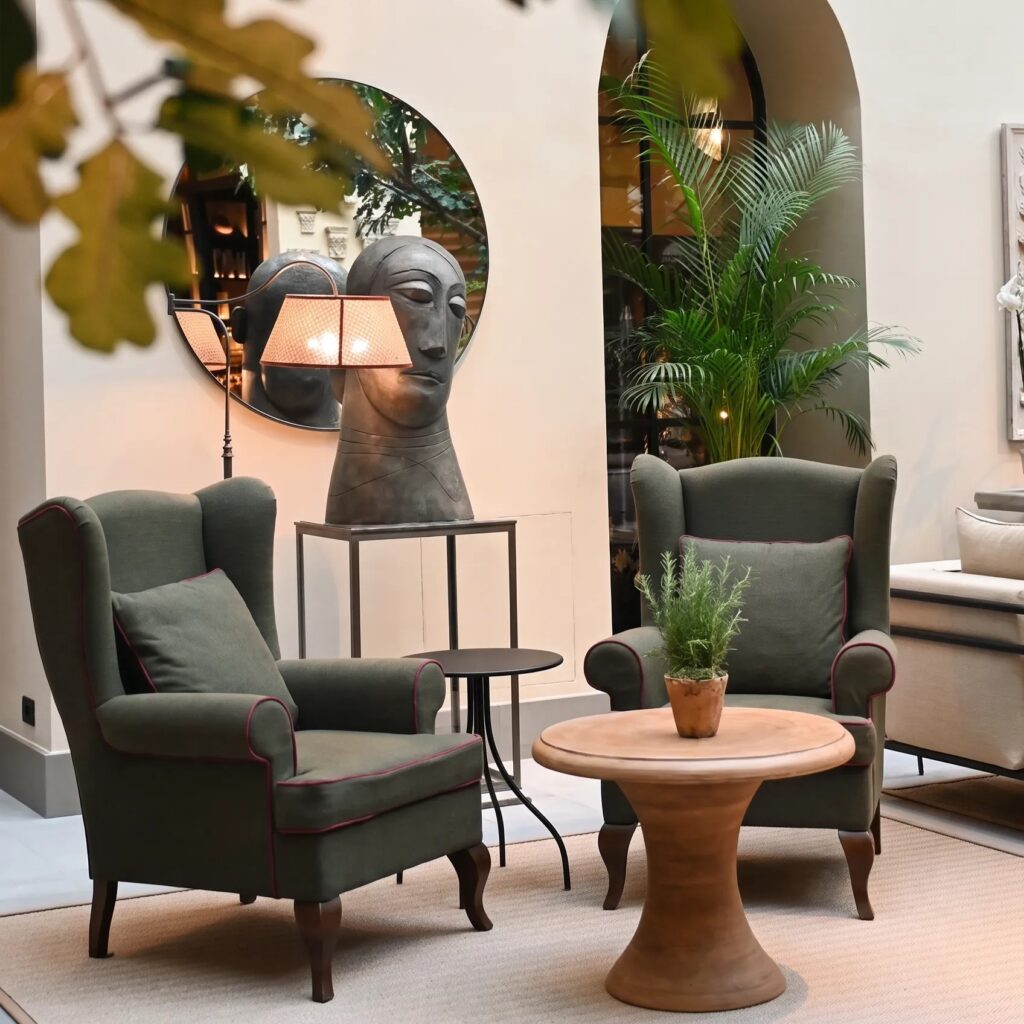
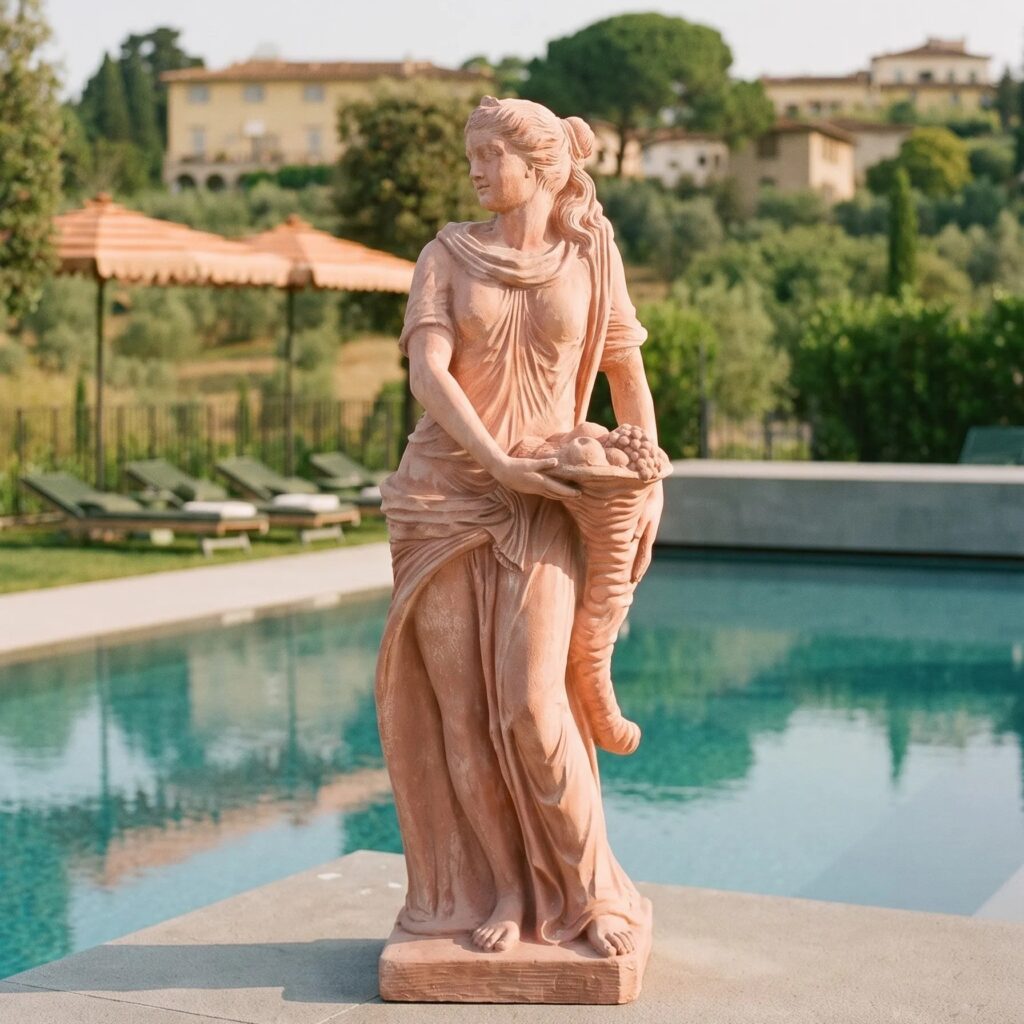
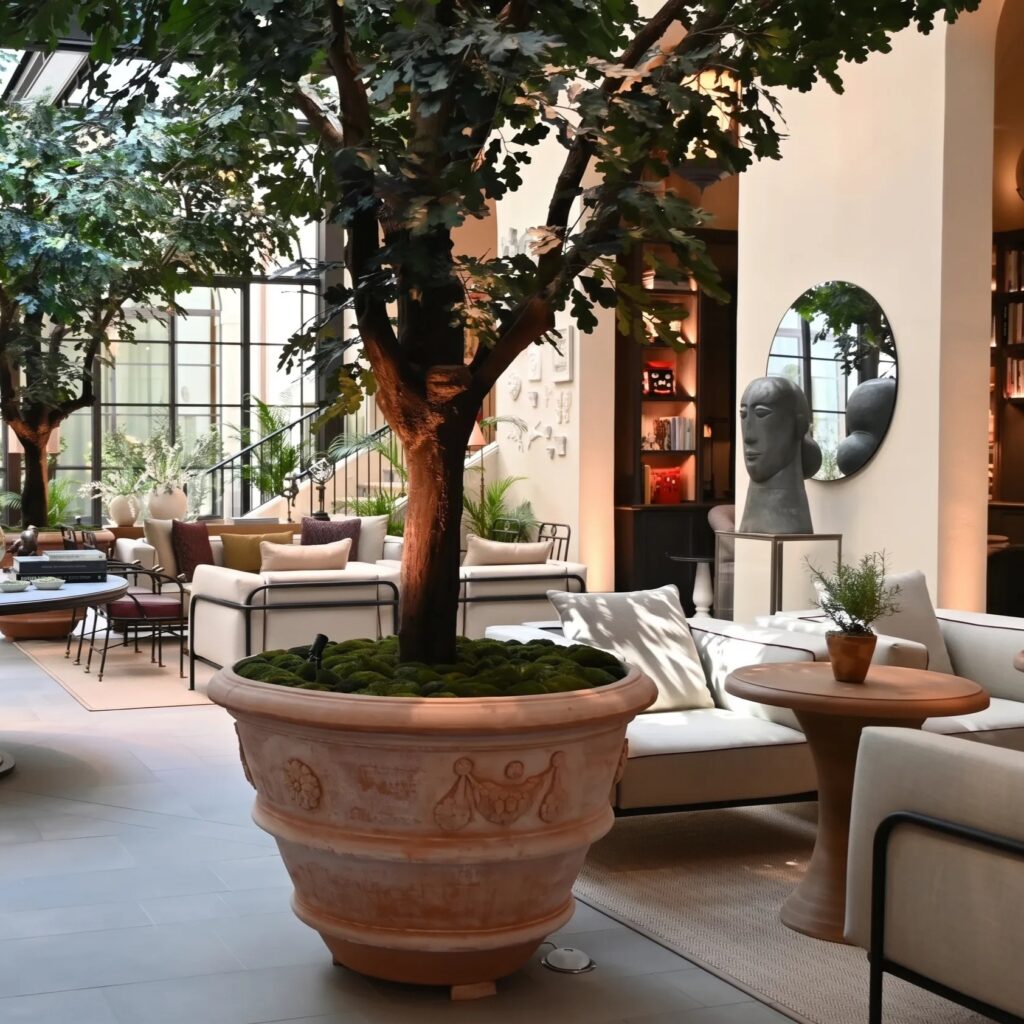
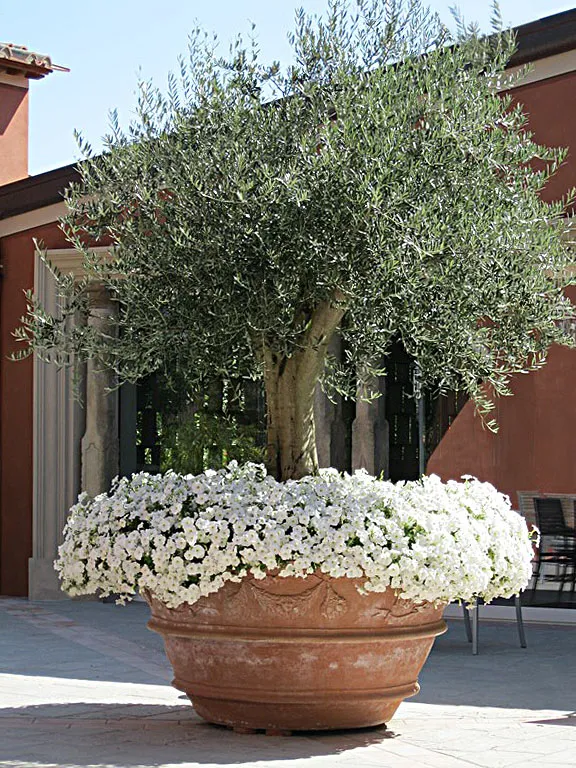
Still, terracotta should not be associated solely with great artistic masterpieces. Above all, it has been used to create practical and decorative pieces , ranging from plant pots and storage jars to statues and ornamental vases adorning walls, entrances, gateposts and gardens.
The tradition of terracotta craftsmanship in Impruneta, which has flourished since the 15th and 16th centuries, continues to this day with the same creativity, artisanal expertise and time-honoured techniques passed down through the ages.
For over a century, Poggi Ugo has drawn its expertise from this deeply rooted local craft heritage, passionately championing the ancient art of Impruneta terracotta.